
Racecraft in Sim Racing: Overtaking & Technique Guide
September 2, 2024

Part I: Race craft
Race craft in sim racing isn't just about speed; it's about precision, patience, and strategy. Here's how you can improve your overtaking skills:
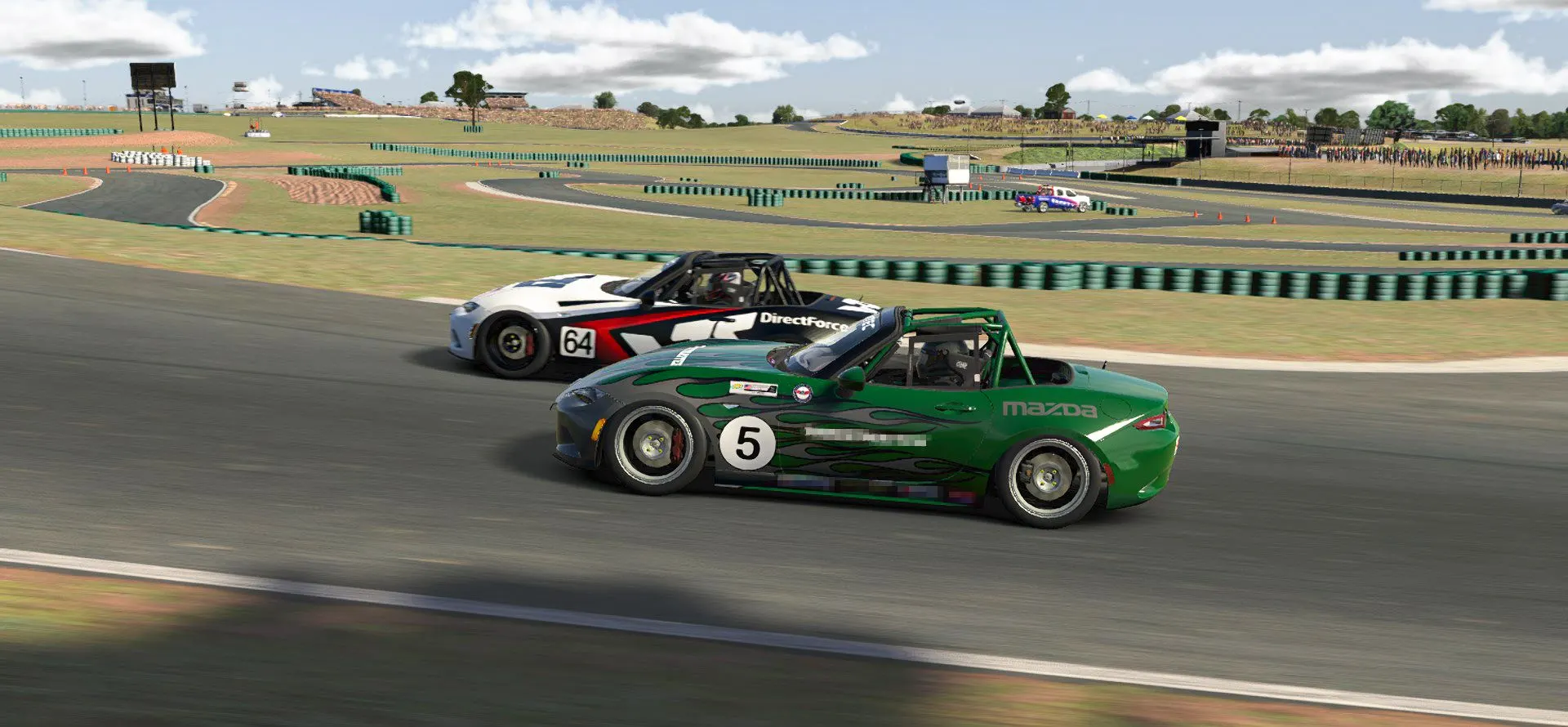
Stay on the Racing Line: When behind another car, resist the temptation to swerve for a better view. Instead, stay on the optimal racing line. This positions you to maximize your exit speed from corners, which is crucial for overtaking on the straights.
Braking Techniques: Effective braking is key. Try to straighten your car before heavy braking zones. This allows for maximum deceleration. If you're turning while braking, you're not only slower but also risk understeer or loss of control. Practice trail braking but ensure a smooth release to maintain stability.
Observation and Adaptation: Analyze your opponent's driving style early in the race. For instance, if they consistently defend the inside line, consider if there's space for an outside move or if you can force them into making a mistake by feinting an inside pass.
Setting Up the Pass: Most overtakes are set up several corners before they're completed. Focus on getting a better exit out of corners to close the gap on straights. Use the draft or slipstream to your advantage but be ready to make your move when the opportunity arises.
Passing on Ovals - NASCAR StyleWhen it comes to oval racing, particularly in scenarios like NASCAR, passing has its unique challenges:

Timing Your Pass: If the speed difference isn't significant, it might be better to save tires and wait for a better opportunity. A premature move can lead to tire wear and getting passed by others.
Corner Exit is King: Your ability to pass largely depends on how well you exit corners. Aim to carry more speed through the corner's center and exit, setting yourself up for a pass on the straight.
Psychological Warfare: Use your presence to unnerve the driver in front. Fake moves, close in on their bumper, or show your nose to make them defensive, potentially leading to mistakes.
Dirty Air Management: On single-groove tracks, adjust your line to manage dirty air. A wider entry might help, or you might need to back off slightly to keep your tires in good condition for when you can make your move.
Strategic Passing in Road Racing
For road courses, like in the Porsche Tag Heuer Esports Super Cup example:
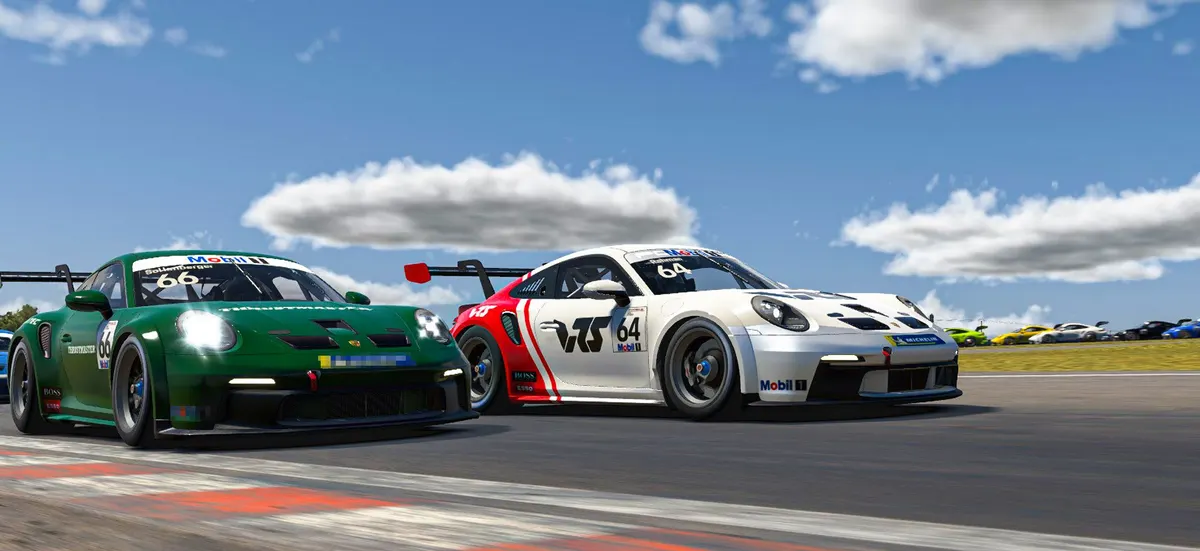
Information Gathering: Early in the race, test your opponent's defensive strategies without committing to a pass. This reconnaissance can reveal where they're likely to defend and where they might leave an opening.
Predictability: Once you understand your opponent's patterns, like always defending the inside, you can plan your attack. If you learn a driver’s habits and know he would predictably defend the inside will allow for a planned move to the outside before cutting back in.
Execution: When you make your move, ensure it's decisive. Use the knowledge gained from earlier laps to position yourself where your opponent is least expecting an attack.
General Tips for Effective Passing
Be Patient: Not every opportunity is worth taking. Sometimes, waiting for a better moment or for your opponent to make a mistake is the smarter strategy.
Use the Track: Understand the track's nuances. Where are the best passing zones? Where can you gain an advantage through better cornering?
Practice: In sim racing, like in real life, practice different scenarios. How does your car behave under braking? How does it handle in traffic? Knowing your vehicle inside out gives you the confidence to make bold moves.
Stay Clean: While contact might be tempting or seem necessary, clean racing not only avoids penalties but also builds your reputation as a fair competitor, which can be psychologically advantageous in a future encounter
Proactive Defense and Blocking Strategies
When it comes to defense in racing, timing is everything. If the car behind has already begun to overlap on the inside, defensive maneuvers are too late. Instead, anticipate the need for defense immediately after a suboptimal exit from a turn or when noticing the car behind has a better run.
One Defensive Move: Choose your defensive line wisely. Once you commit to defending the inside, stick to it; you cannot then move back to the outside. If an overlap occurs before the turn-in, ensure you leave enough space—about a car's width plus an additional six inches.
Force the Outside Pass: Whenever feasible, make your opponent pass on the outside, where the line is longer and more challenging.
Avoid Late Braking Zone Moves: Never attempt defensive moves in the braking zone; this is a recipe for disaster.
Situational Awareness and Strategic Mirror Use
Defense isn't just about blocking; it's about knowing where you stand relative to your competitors:
Mirror Timing: Check your mirrors once your car is straight after exiting a corner, and again several hundred meters before the next braking point. This schedule allows you to assess threats and refocus on your racing line.
Peripheral Vision Use: As you gain experience, use your peripheral vision to monitor side mirrors right before turning in, helping you decide if defense is necessary.
The Strategic Value of Strong Exits
Good exits are your best defense:
Exit Focus Over Speed: Prioritize excellent exits over outright speed. Even if a competitor is quicker, superior exits make overtaking you a significant challenge.
Conservative Entry for Better Exit: Adopt a slightly slower entry speed to optimize your throttle application points, securing your position and frustrating those behind.
By mastering these techniques, you not only defend your position but also enhance your overall race strategy, keeping competitors at bay while focusing on consistent performance.
Part II: Technique
Mastering Advanced Techniques in Sim Racing for Competitive Edge
Throttle and Brake Management: In the realm of sim racing, mastering throttle and brake application is pivotal. Smooth throttle control is essential when exiting corners to maintain traction, especially crucial during close racing scenarios. Since sim racing lacks the physical feedback of real-world driving, racers must rely on visual cues and the sound of tire squeals to gauge when they're pushing the limits. Effective throttle management can mean the difference between a successful pass and losing positions.
Using Setup to Your Advantage:

Your car's setup in sim racing isn't just about speed; it's about optimizing for overtaking. A setup focused on corner exit speeds might not top the speed charts on straights but can be crucial for executing passes. Experimentation with gear ratios, suspension, and aerodynamics can tailor your car's performance to your overtaking strategy, making you unpredictable and hard to defend against.
Visual Focus: A key technique often overlooked is where you focus your gaze. Instead of fixating on the car directly in front, train your eyes to look where you want to go. This not only helps in maintaining an optimal racing line but also aids in anticipating the movements of the car ahead, setting up for a pass earlier and more effectively.
Leveraging Sim Racing Tools: Telemetry tools like those offered by Virtual Racing School (VRS) are invaluable. They allow racers to dissect their performance, comparing throttle application, braking points, and racing lines against top drivers. This data-driven insight can reveal subtle areas for improvement, turning good racers into great ones.
Oval Racing Tactics: On ovals, the art of the draft or slipstream is a game-changer. Knowing when to exit the draft for a pass requires a blend of experience and instinct. Tire management also plays a strategic role; conserving tires can provide the necessary grip for a late-race surge. The crossover move, where you regain position by cutting back after being overtaken, showcases the nuanced dance of high-speed oval racing.
Psychological Warfare in Racing: Racing isn't just physical; it's mental. Building pressure by staying close or feigning moves can force errors from opponents. However, this requires a delicate balance to avoid overextending oneself. An unexpected move, like an outside pass when an inside line is anticipated, can disrupt an opponent's rhythm, providing a psychological edge.
Influences from Real-World Racing: Observing real-world racing provides a wealth of strategies. From how F1 drivers utilize DRS to how IndyCar racers navigate ovals, these tactics can be adapted into sim racing for an advantage. Additionally, physical fitness, crucial in real racing, also benefits sim racers by enhancing concentration and endurance during long sessions.
Team VRS: Bridging Virtual and Real Racing: Team VRS stands at the forefront of this bridge with its low-cost group coaching sessions at https://vrs.racing/teamvrs. Here, racers receive guidance from world-class sim racers, some of which are real road and oval racers, with insights that cross-pollinate between virtual and real racing. Real pro drivers use VRS telemetry and hardware for training, underscoring the platform's real-world applicability. So do many of the top sim racing teams in the world. The use of sophisticated telemetry tools allows for personalized coaching, fostering a community where collective learning accelerates individual growth.
In conclusion, advancing in sim racing requires a holistic approach, combining technical setup knowledge, psychological acumen, and the strategic use of technology. With platforms like Team VRS, racers not only refine their skills but also connect with a community that shares a passion for racing, both virtual and real. This blend of technology, technique, and community engagement is what makes sim racing not just a game, but a continually evolving discipline.